
Mobile gaming means playing video games on a phone or tablet instead of a console or PC. The screen is the controller, and the battery is the power supply. It’s a tiny world that fits in your pocket, yet it’s already bigger than many traditional game libraries.
The Speed of Access
With a 4G or 5G connection, a new game can download in under a minute on a decent phone. That’s a drastic drop from the days when you had to wait days for a console patch. When a title goes live, you can start playing within seconds, which keeps the hype alive.
Microtransactions and Free‑to‑Play Models
Most mobile games use a free‑to‑play model. You get the core experience at no cost, and then optional purchases—skins, boosters, or extra lives—appear as you progress. For example, a battle‑royale app might let you buy a custom character skin for £1.99. This model has pushed developers to create engaging, bite‑size content that fits a five‑minute play session.
Social Integration
Games now link directly to your social media or messaging apps. When you beat a level, the app can post a celebratory photo to Instagram or send a message to a friend. This instant sharing turns a solo activity into a community event, driving more downloads through word of mouth.
Cross‑Platform Play
Some titles let you pick up where you left off on a different device. If you start a puzzle on your phone and finish it on a tablet, the progress syncs via cloud storage. This flexibility means you’re not locked into a single gadget.
Accessibility for All Ages
Touch controls are intuitive for beginners, and many games offer adjustable difficulty settings. A 10‑year‑old can learn a new strategy in minutes, while a seasoned gamer can dive into complex mechanics without a bulky controller.
Monetization Beyond Games
Mobile platforms now host a variety of entertainment services—streaming, news, e‑books—all accessible through a single app. This convergence means you can play a quick match, watch a movie, and read the latest headlines without leaving the device.
How Mobile Gaming Is Revolutionizing Entertainment in the
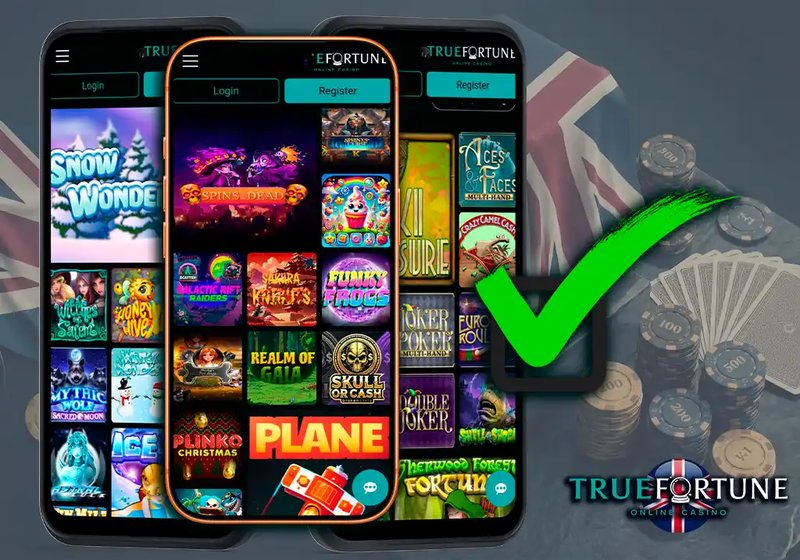
Beyond the screen, the ripple effect reaches other online entertainment. When you’re scrolling through your feed, you might see a friend’s live stream of a mobile game session. This exposure often leads to new users trying out the game, creating a feedback loop that boosts both gaming and streaming platforms. For those curious about how this trend extends into online casino gaming, Truefortune offers a glimpse into how mobile interfaces are reshaping the way we engage with chance-based entertainment.
Challenges That Still Exist
Battery life can be a bottleneck; a full game session might drain 30% of your phone’s charge. Also, the free‑to‑play model sometimes pushes aggressive microtransactions, which can frustrate players who feel pressured to spend. Developers must balance revenue with user satisfaction to keep the experience enjoyable.
Looking Ahead
With augmented reality (AR) becoming more mainstream, future mobile games could overlay digital objects onto real‑world environments, turning a park bench into a battle arena. Meanwhile, 5G’s lower latency will make real‑time multiplayer smoother, bringing console‑level experiences to handheld devices.
Final Thoughts
Mobile gaming has moved from a niche pastime to a dominant force in entertainment. Its speed, affordability, and social connectivity make it a compelling choice for anyone with a smartphone. While there are hurdles—battery drain, microtransaction fatigue—developers are continually innovating to keep the experience fresh and engaging. The next time you pick up your phone, remember that you’re holding a portal to a rapidly evolving world of games, stories, and social interaction.